Food Truck Rental vs. Catering: What You're Actually Paying For
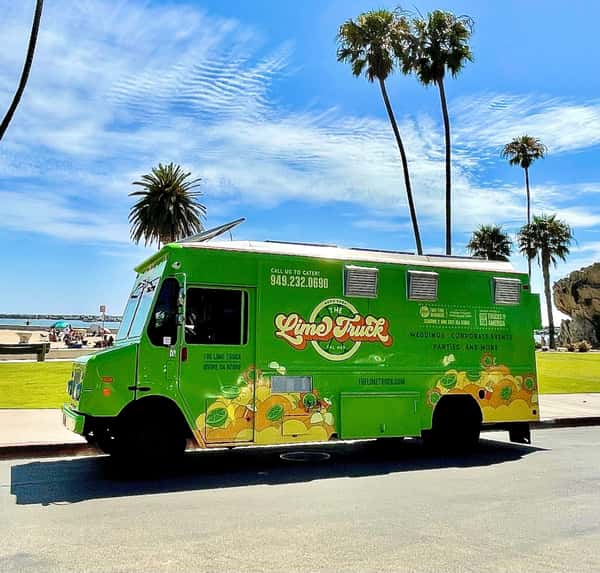
People search "food truck rental" all the time, and we get why. It sounds simple. You rent a truck, it shows up, people eat. But when most hosts say they want food trucks for rent, what they really want is a truck, a crew, and a menu that shows up, cooks, serves, and leaves. That's catering, and knowing the difference makes it a lot easier to compare quotes.
Here's what you actually get when you book a food truck, and how The Lime Truck's catering packages work.
You're not renting a kitchen on wheels
Nobody hands you the keys. When you hire a food truck for an event, you're booking the whole operation: the truck, the cooks, the service staff, the ingredients, and the setup and cleanup. The truck is just the part your guests can see.
That matters for two reasons. First, it tells you what to compare. A quote that looks cheap might not include service time, plates, or cleanup. Second, it changes what you need to plan. You aren't figuring out how to cook for 150 people. You're figuring out where the truck parks and how long you want it serving.
What "food trucks for hire" usually includes with us
When you book The Lime Truck, our packages include:
- Food cooked to order on the truck
- On-site service, typically a two-hour window
- Setup and cleanup
- Plates, utensils, napkins, and serving supplies, made from compostable materials
- Vegan, vegetarian, and gluten-free options built into the menu
Our crew handles the line. You handle your guests.
How our catering packages work
Instead of a rental fee plus food costs, you pick a package or build from the menu. These are listed on our catering packages page:
Taste Le Truck Package. Our most popular, and it's unlimited. Guests can get up to two mains and two sides per visit and come back for more. It includes the SoCal Steak Quesadilla, Rojo Chicken, Seared Ahi Tuna, and Mr. Potato tacos, plus Mexican Street Corn, Legendary Brussels, Zesty Guacamole, House Chips and Pico, and drinks or churros.
Signature TLT Package. One trip to the truck per guest. Each guest gets two tacos or one entree, plus a side, guac, and chips and pico. The taco lineup includes the Rojo Chicken, Trippy Mushroom, and Ahi Tuna tacos, with the SoCal Steak Quesadilla as the main.
Taco Package. One trip, two tacos plus chips and pico. Choose from the Sweet and Spicy Steak, Rojo Chicken, Mr. Potato, and Seared Ahi Tuna tacos.
A la carte. Pick any items from the menu. Each item has a 25-piece minimum.
Appetizer Package. Choose four items from the appetizer menu. This works well for cocktail hours and mingling events.
Every package can be customized. Want tacos only, extra churros, no fries? That's normal. Tell us when you request a quote.
How pricing works when you hire a food truck
We don't publish a flat rental rate, because a flat rate would have to cover the worst case. Your quote is built from:
- Guest count
- The menu or package you choose
- Your event location and travel
- How long you want us serving
Minimums vary by day of the week, season, and location. Weekday lunches and off-peak months tend to be more flexible than Saturday weddings or holiday weekends.
If you want a real sense of how those pieces add up for a party, our private party catering page is a good next stop.
Questions to ask any food truck you're thinking of hiring
Whoever you book, these questions make quotes easier to compare:
- How long is the service window, and what does extra time cost?
- Are plates, utensils, and napkins included?
- Who handles setup and cleanup?
- How much space does the truck need, and does it need power?
- What's the deposit, and what happens if you cancel?
For us, the answers are a two-hour window on most packages, serviceware included, our crew handles setup and cleanup, a 30-by-12-foot level spot, and a 50% non-refundable deposit.
When a food truck makes more sense than traditional catering
A traditional caterer usually brings pre-plated meals or a buffet. A food truck cooks in front of your guests. A few situations where the truck wins:
- Outdoor venues with no kitchen. Backyards, vineyards, parking lots, and parks.
- Mixed crowds. Guests order what they want, so dietary needs are easier to handle without anyone feeling singled out.
- Events where you want energy. People gather around the truck. It turns dinner into part of the party.
- Late-night food. Plenty of couples hire us alongside a traditional caterer just for cocktail hour or a late-night taco drop.
When it doesn't
Being honest, a truck isn't right for every event. If your venue is fully indoors with no place to park nearby, or there's no level 30-by-12-foot spot with about 14 feet of clearance, the truck won't work as-is. We can sometimes set up a serving station inside while the truck parks close by. In Orange County, drop-off catering without the truck is another option.
Holiday season note
Late October through December is a busy stretch for office holiday parties and year-end events. If you're thinking about renting a food truck for a December party, the earlier you send a date, the better your odds. The first deposit on a date holds it.
Ready to compare?
Start on our catering page for the full overview, or send your details through the catering request form and we'll put together a custom proposal.
FAQ
Can I rent a food truck without catering?
Our bookings are catering bookings. When you book The Lime Truck, the truck, the crew, and the food all come together, and our team cooks and serves.
What's included when I hire a food truck?
Our packages include cooked-to-order food, on-site service, setup, cleanup, and eco-friendly plates, utensils, and napkins.
How much does it cost to rent a food truck for a party?
It depends on guest count, menu, location, and service time. We send a custom quote instead of a flat rate so you only pay for what your event needs.
How many guests can one food truck serve?
We regularly cater events from about 50 to 500 or more guests. Bigger events can use multiple trucks or a second service point.
How much space does a food truck need?
About 30 feet long by 12 feet wide on flat, level ground, with roughly 14 feet of overhead clearance.